
Okay — quick confession: I started with skepticism. Wallets come and go, promises are loud, and security warnings flood every crypto forum. But after using Phantom for months as my daily Solana browser extension, I found it simple enough for small trades and capable enough for DeFi interactions that matter. This isn’t a puff piece. I’ll call out what’s smooth, what still bugs me, and when to step back and think twice.
First impressions mattered. Phantom feels polished. The UI is tidy, fast, and the UX choices are often conservative in a good way — confirmations that don’t scream for attention but don’t hide things either. My instinct said “this is solid,” and after poking around under the hood, that feeling mostly held up. That said, no wallet is perfect, and later I’ll point out where you need to be careful.
Why Phantom for Solana?
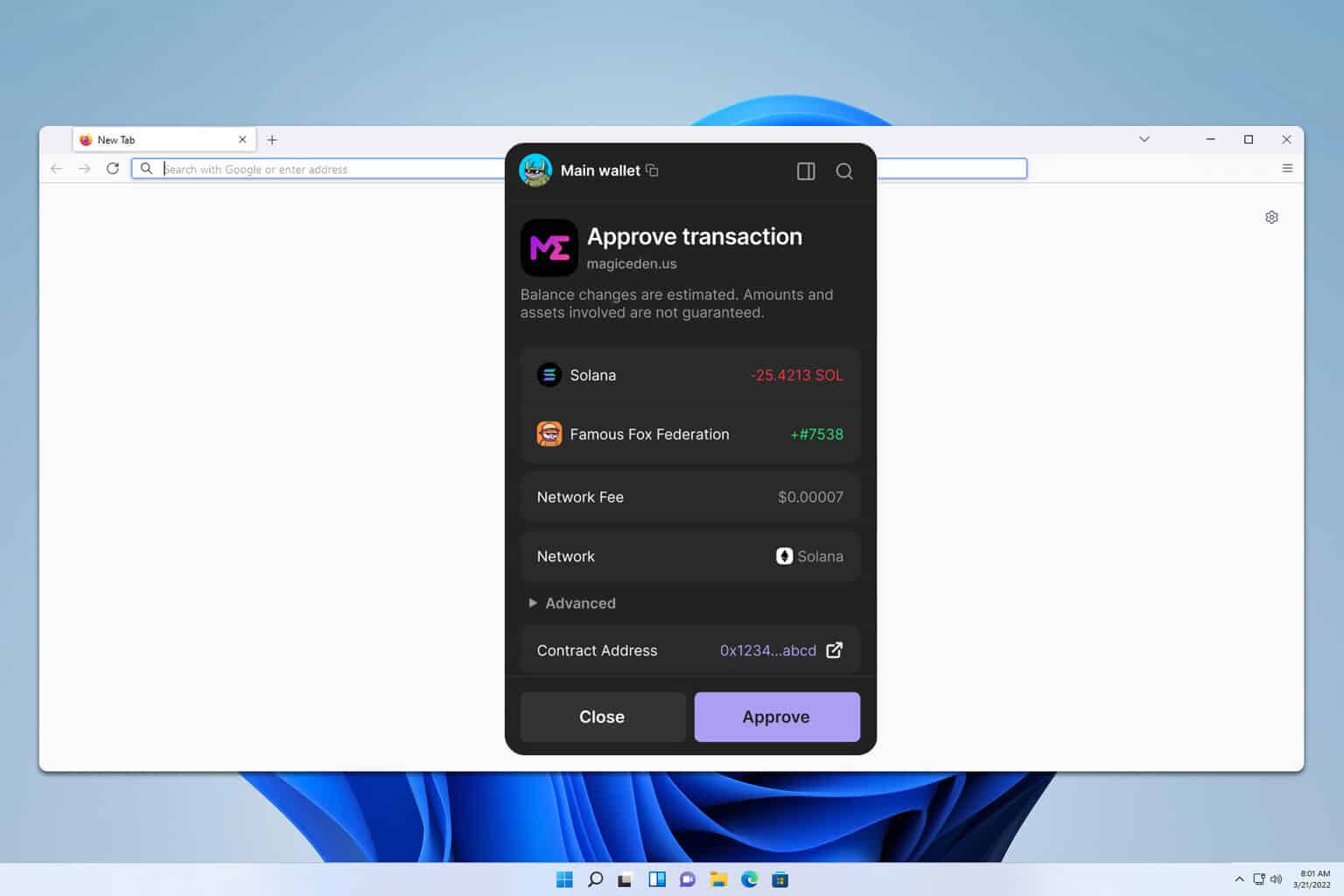
Phantom was built with Solana in mind. It integrates tightly with SPL tokens, NFTs, and the fast signature flows Solana apps expect. If you’re using browser-based dApps — Dexes, NFT marketplaces, or lending platforms — Phantom plugs in without the awkward prompts or latency I’ve seen with some cross-chain wallets.
Here’s what stands out: it feels native. The extension adds a small, secure UI to your browser, and connecting to dApps is usually one click (and a short signature confirmation). For anyone who wants to move beyond custodial apps and into DeFi on Solana, Phantom is often the easiest first step.
Getting Started: Setup and Best Practices
Install the extension, create a wallet, and back up your recovery phrase somewhere offline. Seriously — write it on paper, stash it in a safe place. I’m biased, but cloud notes are tempting and very risky. Also, enable the extension lock and use a strong password. These are small steps with big payoff.
After setup, fund the wallet with a small amount of SOL to cover transaction fees (Solana fees are tiny, but you still need it). Keep an eye on token approvals. Phantom shows approvals, but not every dApp uses approvals the same way. Revoke permissions periodically, especially for dApps you tried once and never used again.
Using Phantom for DeFi
Phantom works smoothly with most Solana DeFi apps — Raydium, Orca, Jupiter, and the like. Swaps are quick, and the confirmation modals make the steps clear. Here’s the practical workflow I follow: check slippage settings, preview the output, confirm the transaction, then watch it land on-chain. If something feels odd — price impact too high, slippage set to crazy levels — I cancel.
On one hand, Phantom’s simplicity keeps newbies safe from many common mistakes. Though actually — experienced users may want more granular controls for advanced trades (like custom fee prioritization), which Phantom doesn’t emphasize. For everyday swapping and liquidity provision, it’s excellent. For high-frequency or complex strategies, I sometimes use additional tooling.
Security: What Phantom Does and What You Should Do
Phantom keeps private keys encrypted locally and never transmits your seed to external servers. That’s good. But cold storage is still the safest option for large holdings. If you have sizeable funds, consider a hardware wallet that Phantom supports (check compatibility and workflows first).
Watch out for phishing. Browser extensions are powerful and can be mimicked by malicious sites or fake extensions. Always download Phantom from a trusted source. For an official link and more info, check phantom. Verify the extension ID and publisher in the browser store. If something seems off — popups asking for your seed, unusual network prompts — disconnect and investigate.
Wallet Features I Use Regularly
– Token swaps: quick, integrated with on-chain DEXes.
– Staking SOL: simple flows to delegate and track rewards.
– NFTs: the gallery view is handy for collectors and makes browsing easier.
– Token management: add or hide tokens with a few clicks.
One small friction: managing many tokens can get cluttered. Phantom’s search and custom token add help, but if you’re juggling dozens of smaller SPL tokens, consider keeping a curated set visible and hiding dust you rarely use.
Common Mistakes and How to Avoid Them
Watching newcomers, I see repeat errors: 1) approving every contract without reading, 2) using the same password across places, and 3) storing seed phrases online. Don’t do those things. Pause before you sign. If a transaction looks out of character — like sending your entire balance or approving unlimited allowances — stop and verify.
Also, browser environment matters. Use a clean profile for crypto activity, limit other extensions that might interact with pages, and keep your system updated. These are basic but effective hygiene measures that many people skip.
FAQ
Can I use Phantom on mobile?
Yes — Phantom offers a mobile app. The experience is different from the browser extension but keeps core functionality like swaps and wallet management. For heavy dApp interaction, though, the desktop extension is usually smoother.
Does Phantom support hardware wallets?
Phantom has integrations that allow you to connect certain hardware wallets. This gives you the convenience of the extension with the added security of a hardware key — a strong combo for larger balances.
Is Phantom open source?
Phantom has open-source components and publishes parts of its code. Still, be careful: not everything you read online is current, so verify through official channels when security is concerned.